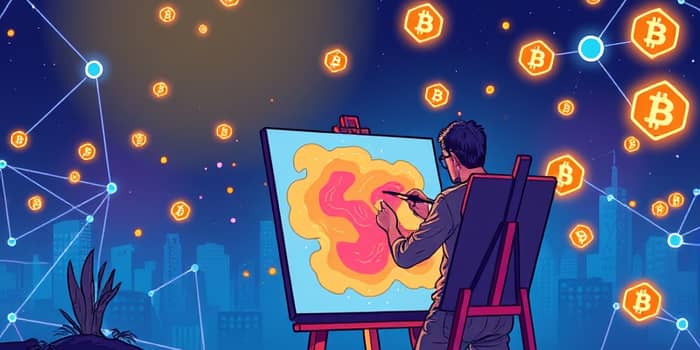
The digital age has unleashed a wave of creativity, but for many artists, the promise of the internet remains unfulfilled.
Web3, the decentralized evolution of the web, is poised to change that by offering unprecedented control and ownership to creators.
This movement is not just about technology; it is about building a more equitable creative economy.
Imagine a world where artists are compensated fairly for every stream, sale, and share of their work.
This vision is becoming a reality through the power of blockchain and decentralized systems.
In the current Web2 model, platforms like Spotify and YouTube dominate the landscape.
They control distribution and monetization, often taking significant cuts from creators' earnings.
For example, Spotify pays musicians approximately $0.0033 per stream, highlighting the stark imbalance.
This system forces artists to rely on ads or sponsorships, which can dilute their authentic voice.
Many creators feel trapped by algorithms and middlemen that prioritize profit over artistry.
Web3 refers to a decentralized internet built on blockchain technology.
It enables direct peer-to-peer interactions without centralized intermediaries, fostering transparency and user ownership.
The creator economy involves individuals monetizing creative content such as art, music, videos, and podcasts online.
Web3 enhances this by integrating tools that grant true ownership and direct monetization.
Key technologies driving this shift include:
These innovations empower artists to take charge of their creative journeys.
Web3 addresses the core pain points of Web2, offering transformative advantages for creators.
This shift transforms audiences from passive followers into active co-creators and supporters.
Web3 introduces diverse, creator-controlled revenue streams that foster financial independence.
Below is a table outlining key monetization models:
These models allow artists to diversify their income streams and build sustainable, long-term careers.
Numerous projects and voices illustrate the potential of Web3 to empower artists.
These examples show how Web3 fosters authentic creativity and collaboration, moving beyond traditional constraints.
Despite its benefits, Web3 faces hurdles that artists must navigate.
The creator trilemma involves balancing monetization, growth, and freedom in decentralized ecosystems.
However, these tradeoffs are often worthwhile for the increased control, equity, and creative autonomy they offer.
To leverage Web3 effectively, artists can follow these actionable steps:
This approach helps build a resilient and empowered creative practice, turning challenges into opportunities.
As Web3 continues to evolve, it promises to reshape the creative landscape profoundly.
Trends include the rise of decentralized social platforms, more sophisticated monetization tools, and deeper integration with real-world economies.
Artists will play a central role in driving this innovation, building new cultural paradigms that prioritize value and connection.
The future envisions a world where creativity is not only celebrated but also fairly and transparently rewarded.
Web3 represents a revolutionary shift for the creator economy, empowering artists with tools for ownership, direct monetization, and community engagement.
By embracing this new paradigm, creators can break free from traditional constraints and build thriving, sustainable careers on their own terms.
The journey is just beginning, and the possibilities are endless, inviting every artist to be part of this transformative movement.
References