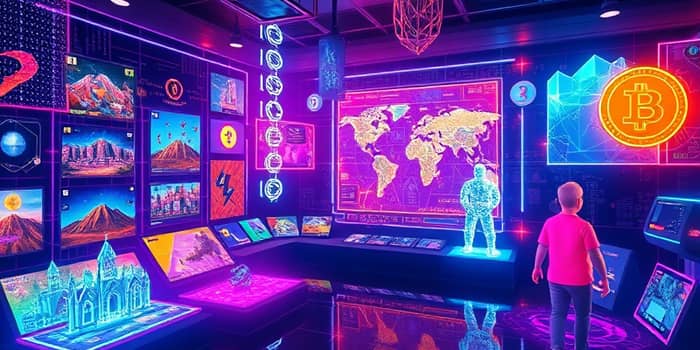
In the span of just a few years, digital collectibles have emerged from obscurity to a multi-billion-dollar phenomenon. What began as niche token experiments now underpins marketplaces that handle millions in transactions daily. From humble beginnings to projections of USD 50 billion by 2033, this market is reshaping how we value creative work, virtual goods, and even physical items linked to digital tokens.
Whether you’re a seasoned collector or a curious newcomer, understanding the forces behind this evolution is key to unlocking new possibilities in art, gaming, sports, and beyond.
Digital collectibles are unique, blockchain-verified tokens representing ownership of digital or physical assets. No longer confined to static images, these assets embed utility, governance rights, and programmable royalties on secondary sales. This transformation owes much to blockchain-powered authenticity and ownership, which eliminates fraud and enhances trust.
Forecasts indicate a compound annual growth rate of 15% from 2025 to 2033, with the broader NFT market valued at USD 60.82 billion in 2025. Artists, gamers, and brands are leveraging these innovations to create immersive experiences, bridging gaps between creators and audiences like never before.
Before blockchain, collectors amassed items through auctions and trade shows. Today, digital marketplaces handle millions of transactions daily, illustrating how virtual ownership can carry both emotional and financial value. Innovations like dynamic NFTs—tokens that evolve based on real-world events—are the next frontier, bringing art and gaming to life in unpredictable ways.
Art NFTs captured headlines with seven-figure auction sales, while gaming collectibles unlocked new revenue for developers and players alike. Virtual real estate attracted brands seeking immersive marketing, and phygital offerings rekindled interest in collectible cards, fashion, and memorabilia.
The global digital collectibles market is expected to reach USD 50 billion by 2033 at a CAGR of 15%. Yet regional performance varies significantly:
North America leads thanks to high purchasing power and robust tech infrastructures. Europe follows with cultural institutions embracing tokenization. Asia Pacific registers the fastest growth, driven by gaming enthusiasm and metaverse adoption. Emerging regions in Latin America and MEA are gaining momentum as blockchain networks expand and access improves.
Despite these regional dynamics, interoperability protocols and cross-chain bridges are accelerating global liquidity. Collectors in one market can now trade assets across platforms without friction, widening audiences and strengthening prices for rare items.
Regulators worldwide are grappling with how to classify and supervise digital collectibles. While some view NFTs as securities, others treat them as cultural assets. This uncertainty can deter institutional investors but also sparks dialogue on balancing innovation with consumer safeguards.
On the opportunity side, the metaverse promises to absorb billions in virtual real estate transactions. VR and AR integrations will create immersive experiences for global audiences, enabling fans to interact with digital art and events in real time. Token-gated communities and exclusive drops will deepen engagement and loyalty.
As we look toward 2030 and beyond, several trends will shape the landscape:
The notion of a JPEG as a standalone image is obsolete. Today’s collectibles are community-driven, interactive, and financially engineered. Platforms like OpenSea and Rarible will continue to lead, but bespoke white-label marketplaces and custom smart contracts will cater to specialized audiences.
Environmental concerns have prompted many projects to migrate to proof-of-stake blockchains, reducing energy consumption by over 99%. This shift not only addresses sustainability critiques but also lays the groundwork for broader corporate adoption and innovative use cases.
Education and onboarding efforts will be pivotal. As tools become more user-friendly, mainstream audiences will find it easier to mint, buy, and trade digital collectibles. Platforms integrating social graph features will likely dominate by leveraging network effects and established trust.
The journey from 2021’s speculative boom to 2026’s maturing market underscores resilience. Despite corrections and skepticism, total annual NFT sales remain around USD 2.8 billion annually, reflecting sustained demand. A market cap of USD 5.6 billion in 2026 shows balanced interplay between speculation and genuine utility.
Ultimately, digital collectibles are catalysts for a broader cultural shift. They democratize access to high-value art, create new revenue streams for creators, and establish transparent provenance for assets of all kinds. Whether your passion lies in pixel art chess sets, tokenized classic cars, or virtual concert tickets, the possibilities are boundless.
embracing this transformative digital age means staying informed, experimenting with emerging platforms, and connecting with communities that share your vision. The rise of digital collectibles is not a passing trend; it is a fundamental evolution in how we create, trade, and experience value in the digital era.
References