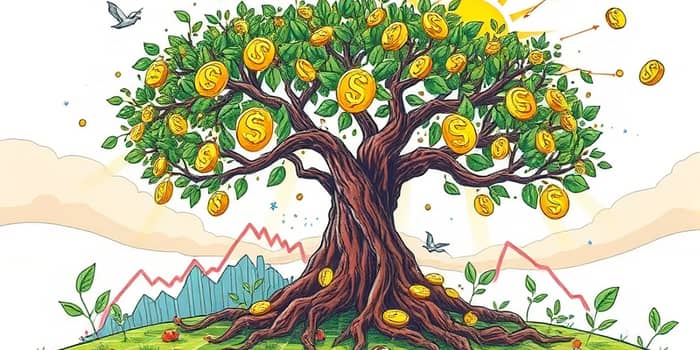
In a market poised for income opportunities in 2026, dividend investing offers a powerful way to generate steady cash flow while capturing long-term growth.
As we enter 2026, investors face a unique environment of lower interest rates and strong corporate cash flows. Central banks have signaled that rate cuts could be on the horizon once inflation dips below 3 percent, making high-quality dividend stocks more attractive than bonds.
Technology valuations remain stretched, while AI adoption drives demand for utilities powering data centers. This shift supports a rotation into income-oriented equities that combine yield and growth potential.
To harness these trends, focus on three key categories that have historically delivered resilient payouts and upside potential.
High-yield segments like mortgage REITs and energy MLPs (12–15%) can supplement core holdings, but require careful analysis to avoid yield traps.
Building a resilient dividend portfolio begins with sustainable payout ratios under 75 percent and a history of growth. You can implement a rules-based approach to identify Dividend Aristocrats and Kings with at least ten consecutive years of increases.
By blending core ETFs and individual stocks, you create a balanced allocation that adapts to shifting market conditions.
Dividend Reinvestment Plans (DRIPs) are the engine that accelerates portfolio growth. Utilizing automatic, commission-free dividend reinvestment plans, investors can acquire fractional shares and sometimes benefit from discounted share purchases.
Over the long term, over 30 years of compounding growth can nearly double the value compared to taking cash payouts. For example, a 3% yield with 10% annual dividend growth reinvested across decades can transform modest contributions into a powerful income stream.
Dollar-cost averaging through DRIPs also smooths out volatility, ensuring you buy more shares when prices dip and fewer when they peak. This disciplined habit is ideal for ten-plus year horizons.
For investors seeking broad exposure and simplicity, dividend-focused ETFs can be a cornerstone of your strategy. These funds blend quality, yield, and growth across sectors and geographies.
Adding broad options like the Schwab US Dividend Equity ETF and State Street SPDR S&P Dividend ETF creates a foundation of over 300 high-quality companies.
No strategy is without challenges. When inflation persists above 3%, bond yields may remain competitive, and high-yield names can be volatile. Avoid reinvesting in declining segments; instead, hold cash for better opportunities.
Concentration in utilities and financials can underperform during tech rallies. Mitigate this by maintaining a diversified blend of growth and income assets. Monitor macro indicators and be ready to adjust allocations as rate expectations shift.
For a balanced, 60/40 income-growth tilt, consider the following mix:
This diversified structure harnesses targeted dividend growth and yield diversification while preserving the flexibility to adjust as markets evolve.
In 2026’s evolving market landscape, dividends offer an elegant blend of income and growth. By adhering to systematic screening, leveraging DRIPs, and diversifying across sectors and geographies, you can build a robust portfolio that stands the test of time.
Start today to reap the benefits of compounding and position yourself for a future of reliable, growing income streams.
References