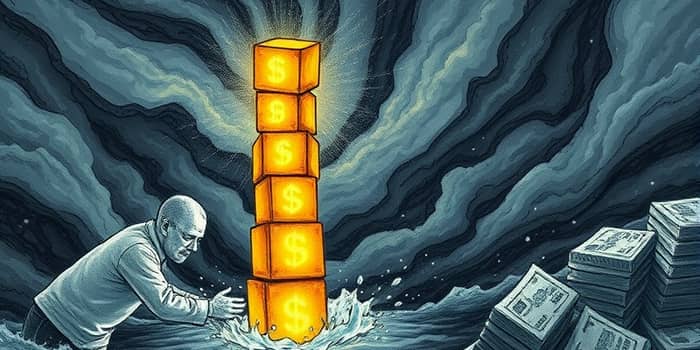
In an era marked by economic uncertainty, rising debt levels, and shifting markets, cultivating strong credit becomes a beacon of stability. As projections foresee credit card balances climbing to $1.18 trillion by year-end 2026, the need for consistent habits that fortify your financial future has never been more urgent.
Global markets in 2026 face headwinds from stubborn inflation, slower growth, and refinancing pressures. Nearly 30% of emerging market high-yield maturities are already refinanced, while sectors like automotive batteries and steel grapple with sectoral downturns. Amid this backdrop, investors flock to high-quality defensive credit, and sophisticated players explore private credit niches such as securitized risk tranches, middle-market lending, and long-short strategies.
For consumers, the forecasted rise in credit card debt underscores a broader story: without a deliberate plan, individual credit profiles may mirror broader volatility. Yet those who adopt strategic account management over time can transform uncertainty into opportunity—securing better rates, unlocking financing options, and building generational wealth.
Achieving credit strength requires a tiered approach. By focusing on immediate wins, medium-term shifts, and long-term habits, you can weather market swings and personal cash flow challenges.
Payment Habits (Immediate to 1-3 Months)
Utilization Management (30-Day Impact)
Account Mix and Age (1–3 Months+)
Alternative Data and Quick Wins (30–90 Days)
Reporting rent, utilities, or subscription payments can bolster thin files, while disputing errors often yields rapid score improvements. Cosigning on a loan with a trusted friend may also infuse positive history.
While quick score jumps are tempting, the cornerstone of credit resilience is patience. Late payments linger for seven years—even as their impact diminishes. Instead of seeking shortcuts, focus on consistent actions that compound over time.
Set measurable goals—such as reaching a 700 score or dropping utilization below 10% within a year. Integrate debt repayment into your budget and revisit progress quarterly. Celebrate milestones: a 50-point jump, a paid-off card, or a successful dispute win deserve recognition. These positive feedback loops reinforce healthy habits.
Regularly review all three bureau reports, and enable alerts to catch identity theft swiftly. Avoid promotional pitches from questionable repair services that promise instant miracles—true credit strength emerges from disciplined behavior.
Consider the individual who rose from a 540 to a 660 score in three months by addressing collection accounts and automating payments. Or the rebuilders who moved from sub-500 territory to 660 within half a year by becoming authorized users and keeping utilization below 10%.
These success stories underline one truth: Rome wasn’t built in a day, but each brick matters. Small actions—paid bills on time, strategic limit requests, error disputes—lay the foundation for robust credit profiles that can endure market storms.
As we navigate 2026’s complex landscape, remember that resilient credit unlocks more than loans—it fuels homeownership, entrepreneurship, and community investment. By forging disciplined habits today, you empower yourself to seize tomorrow’s opportunities, regardless of economic headwinds.
References