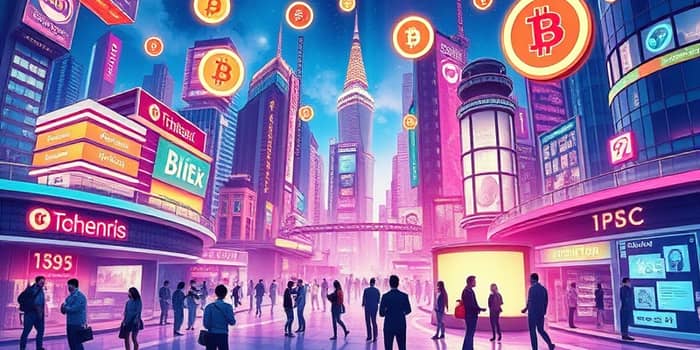
The metaverse is rapidly reshaping how we work, play, and invest. As global valuations surge, forward-thinking investors are looking beyond mere virtual real estate purchases to seize emerging opportunities across digital ecosystems.
With projections reaching staggering new highs, now is the time to explore diverse strategies and build a portfolio that captures the full potential of this rapidly expanding digital frontier.
In 2023, the metaverse industry was valued between $82 billion and $95 billion. By 2032, analysts forecast this figure to climb to $1.3 trillion, supported by continuous advancements in immersive hardware, digital identity solutions, and decentralized Web3 infrastructure.
These figures represent a transformative shift in how capital flows through virtual environments, driven by consumer demand for richer, more interactive experiences and institutional interest in next-generation markets.
While virtual land often captures headlines, a wealth of alternative assets beckons investors seeking both growth and diversification. Smart participants will diversify into multiple asset classes to balance risk and reward.
Below are some of the most promising categories, each offering unique pathways to long-term value creation.
Gaming platforms remain at the core of metaverse engagement. Players buy, sell, and trade items using real money or cryptocurrency. Titles such as Decentraland have hosted major events like Adidas fashion shows, illustrating the synergy between brands and virtual worlds.
Developers can capture value by creating immersive games, hybrid physical-digital products, and novel experiences that bridge online and offline communities.
Beyond goods and services, cryptocurrencies and native tokens underpin the economic fabric of virtual worlds. Leading examples include Decentraland’s MANA and The Sandbox’s SAND, alongside utilities like Render (RENDER) and Floki (FLOKI).
For investors preferring traditional vehicles, stocks and ETFs offer indirect exposure without the complexities of wallets or private keys. Top equity picks include Meta Platforms, Microsoft, NVIDIA, Apple, Roblox, and Unity Software, all making significant investments in AR, VR, and AI.
Two metaverse ETFs—Roundhill Ball Metaverse ETF and ProShares Metaverse ETF—feature diversified baskets of these tech giants, allowing U.S. investors to participate in sector growth with familiar instruments.
Immersive hardware breakthroughs in VR and AR, coupled with AI-powered content generation, are key catalysts. Major tech firms are integrating machine learning into virtual environments to enhance realism and interactivity.
As Web3 infrastructure matures, decentralized protocols will streamline commerce and governance, reducing reliance on centralized platforms. Institutional adoption has already begun, with corporations exploring virtual offices, branded event spaces, and digital twins.
Looking ahead to 2025 and 2026, expect rising demand for virtual property, more sophisticated user interfaces, and cross-platform interoperability that blurs boundaries between worlds.
Companies can leverage exclusive digital drops, loyalty programs, and immersive experiences to deepen customer loyalty. Early adopters gain first-mover advantages in emerging markets, establishing brand identity before saturation.
Content creators can monetize directly through NFTs and tokenized memberships, retaining a portion of every secondary sale via smart contracts. Meanwhile, service providers can develop B2B tools for virtual events, data analytics, and cybersecurity in these new ecosystems.
Despite the excitement, stakeholders must navigate a fragmented and evolving digital landscape. Without a unified metaverse standard, extensive research is required to identify sustainable projects.
Volatility in NFTs, cryptocurrencies, and virtual land remains high. Regulatory developments could reshape market dynamics, while technology pivots—such as Reality Labs layoffs at Meta—underscore shifting priorities within big tech.
Prudent investors will balance high-risk high-reward positions, combining speculative assets with stable equities and ETFs to mitigate downside.
The metaverse represents a once-in-a-generation opportunity to engage with immersive digital economies. By exploring diverse asset classes, leveraging emerging technologies, and aligning with long-term trends, you can build a resilient and forward-looking investment portfolio.
Whether you’re a brand seeking new avenues for engagement, a creator tapping into novel revenue streams, or an investor aiming to capture exponential growth, the metaverse offers a dynamic canvas for innovation and value creation.
Embrace the journey, stay informed, and prepare to stake your claim in this vibrant virtual future.
References