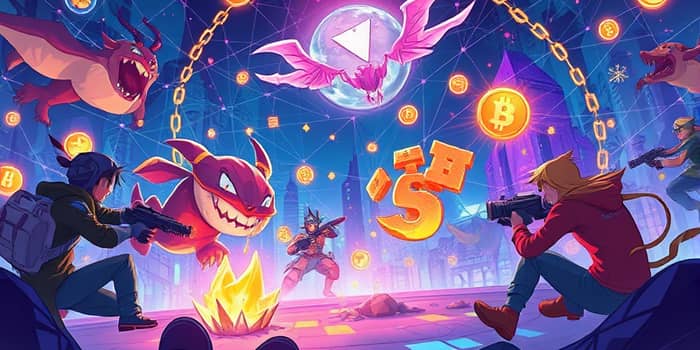
In an era where digital experiences shape our daily lives, Gamified Finance emerges as a pioneering force. By blending gaming with blockchain-based financial systems, this innovative field unlocks unprecedented opportunities for players and investors alike. The rise of play-to-earn models has transformed leisure into real wealth creation, enabling participants to monetize their time and skills.
At its core, GameFi leverages blockchain technology to create virtual economies where participants earn tangible rewards. Through a play-to-earn reward structure, players complete missions, win battles, or achieve milestones to receive cryptocurrencies, tokens, or NFTs. Unlike traditional games that restrict item ownership to centralized servers, GameFi ensures true ownership through NFTs, granting users complete control over in-game assets.
These assets range from avatars and weapons to virtual land. Once minted as NFTs, they can be traded, staked, or leased across marketplaces. This decentralized ownership of assets empowers users to capitalize on their gameplay achievements in ways previously impossible.
Blockchain protocols such as Ethereum, Solana, and Binance Smart Chain power GameFi projects. Smart contracts automate transactions, guaranteeing transparency and immutability. Every asset transfer, reward distribution, or governance vote is recorded on-chain, fostering trust among stakeholders.
GameFi ecosystems typically adopt one of three token models. A single-token ecosystem simplifies operations, using one token for purchases and governance. Dual-token systems separate utility tokens from reward tokens, optimizing economic stability. Triple-token frameworks introduce a third token for growth incentives or special events, enabling flexible reward schedules without disrupting core economies.
Interoperability plays a crucial role in scaling GameFi. Bridges connect separate blockchains, allowing assets to move freely. This interoperability across multiple blockchains boosts liquidity and enriches user experiences, enabling participants to leverage their NFTs in various metaverse platforms and DeFi protocols.
GameFi represents more than entertainment; it offers meaningful income generation opportunities for players worldwide. By converting playtime into tradable tokens, it democratizes access to digital wealth creation. For many, this model provides an alternative source of income, especially in regions with limited economic opportunities.
Beyond these core advantages, GameFi fosters incentivized engagement drives growth. Players remain motivated by potential earnings, leading to deeper immersion and community building. Moreover, the global access and inclusion for all participants inherent in blockchain networks paves the way for diverse communities to thrive without geographic constraints.
Despite its promise, GameFi faces significant hurdles. Economic balance can be disrupted if reward distributions exceed the ecosystem’s capacity, leading to inflation. Additionally, token and NFT prices are subject to volatile market fluctuations, exposing players to unpredictable risks.
High gas fees on networks like Ethereum can deter newcomers. Scalability remains a pressing concern, prompting many projects to explore layer-two solutions or alternative chains. Moreover, the technical complexity of wallets and smart contracts demands a steep learning curve, potentially discouraging less tech-savvy users.
Mitigating these risks requires thoughtful design. Implementing dynamic reward adjustments, cross-chain bridges, and user-friendly interfaces can alleviate friction. Player education and community support play vital roles in fostering sustainable growth.
The regulatory environment for GameFi sits at the intersection of gaming and finance, presenting unique uncertainties. Legislation such as the US Responsible Financial Innovation Act may classify certain tokens as securities, imposing stricter compliance requirements. While clear regulations could legitimize the space, overly restrictive policies might stifle innovation.
Looking ahead, decentralized metaverses promise expansive virtual worlds where users truly own and monetize their digital footprints. Tokenization of real-world assets, integration with traditional finance, and the evolution of cross-platform interoperability signal a bright future. As GameFi continues to mature, it may revolutionize how we interact with both entertainment and finance.
Entering the GameFi universe can seem daunting. However, by following a few practical steps, newcomers can participate responsibly and effectively:
By approaching GameFi with curiosity and caution, players and investors can unlock new pathways to digital wealth creation while contributing to vibrant virtual economies.
In conclusion, Gamified Finance transcends traditional gaming by embedding financial incentives at its core. Through play-to-earn ecosystems and decentralized ownership, it empowers individuals to transform leisure into real economic gain. As the space evolves, its blend of innovation, community engagement, and accessible opportunities positions GameFi as a cornerstone of the future digital economy. Embrace the journey, explore responsibly, and witness how gaming can redefine the way we create, trade, and derive value in a borderless world.
References