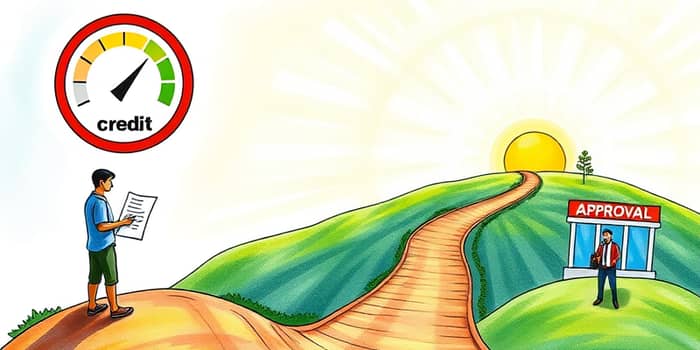
Credit is more than a simple transaction; it is a key that can open doors to new opportunities, whether purchasing a home, expanding a business, or consolidating debt. This comprehensive guide will take you through each crucial stage, from initial readiness and application submission to lender underwriting, approval decisions, and successful repayment. By equipping yourself with the right knowledge and strategies, you can transform a daunting process into a smooth and empowering financial experience.
Before submitting any application, it is vital to review credit score and report to identify strengths and areas for improvement. Under the Fair Credit Reporting Act, you can access your credit reports from Equifax, Experian, and TransUnion once every 12 months via AnnualCreditReport.com. Additionally, Experian offers a free FICO Score every 30 days, while other services provide frequent updates on your VantageScore. Reviewing and disputing any inaccuracies can minimize surprises and position you for more favorable terms.
Understanding how creditworthiness is measured will help you target areas that need attention. Below is a breakdown of the FICO Score ranges and how lenders interpret them:
Parallel to FICO, the VantageScore model uses these ranges: 781–850 (Excellent), 661–780 (Good), 601–660 (Fair), 500–600 (Poor), and 300–499 (Very Poor). Armed with these insights, you can set realistic goals for score improvement, whether through timely payments, reducing balances, or correcting errors.
Next, research the types of credit that align with your goals and risk profile. Compare options like rewards-based credit cards, personal installment loans, or business lines of credit. For those rebuilding credit, consider secured cards or authorized user arrangements. Understanding details such as interest rates, annual fees, and grace periods ensures you choose a solution that truly serves your needs.
Gathering the necessary documentation early can accelerate the process and reduce stress. Commonly required materials include:
With preparation complete, you can choose from several application channels: online, phone, in-person, or mail. Online applications via the issuer’s secure portal often deliver the fastest decisions, sometimes within minutes. However, for complex or specialized lending needs, an in-person meeting with a loan officer can offer personalized guidance and answers to nuanced questions.
Accuracy is paramount. Always double-check every field for accuracy, attach legible copies of requested documents, and track submission confirmations. Remember that each hard inquiry may cause a brief dip in your credit score, so space out applications to minimize impact.
Consider these best practices to streamline your application:
Once your application is in the lender’s hands, it enters the underwriting queue for verification and risk analysis. The lender confirms employment, validates bank statements, and reviews your credit report in detail. If applying for a business loan, expect an evaluation of your company’s financial health, market position, and owner history.
Underwriters rely on the Five C’s of Credit to gauge your reliability and capacity:
Timelines vary depending on complexity. Standard credit cards may generate instant approvals, while personal loans often require one to three business days. Commercial or mortgage underwriting can take weeks or even months, especially when property appraisals and title searches are involved. Understanding these stages can help you set realistic expectations and maintain open communication with your lender.
After underwriting, you will receive a decision. If approved, the lender issues a term sheet detailing interest rates, payment schedules, credit limits, fees, and any special conditions. Carefully review every section—such as prepayment penalties or variable rate triggers—before providing your formal acceptance.
If you face an adverse decision, federal law entitles you to a free copy of the credit report used in the evaluation. Review it to understand the reasons for denial and identify opportunities to strengthen your profile. Often, simple steps like reducing existing balances or updating employment information can improve your chances next time around.
Upon accepting the offer, you will sign loan documents or activate your new credit card. Funds may be disbursed directly to your bank account or, in the case of a mortgage, to an escrow or title company. For revolving accounts, activation generally involves a quick phone call or online confirmation.
Managing your new credit responsibly is crucial to building long-term financial health. Adhere to these guidelines:
Regularly reviewing your credit performance and staying informed about market conditions will empower you to adjust your strategy over time. Responsible credit use not only meets your immediate goals, but also lays the foundation for future opportunities, such as lower interest rates, higher credit limits, and more favorable lending terms.
Navigating the credit process need not be overwhelming. With thorough preparation, clear communication, and disciplined repayment, you can transform each phase into a stepping stone toward financial empowerment. From the first inquiry to the final payment, every action you take shapes your credit narrative, unlocking new possibilities along the way.
References