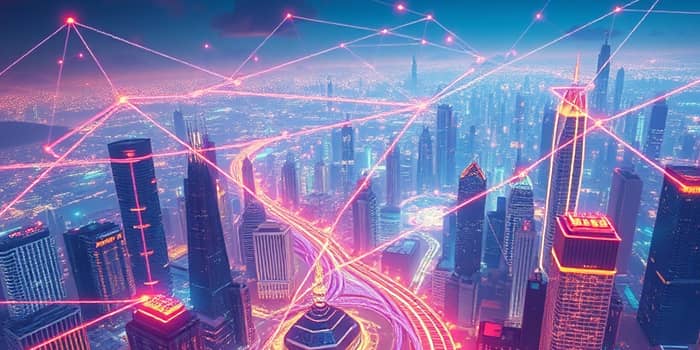
From the dawn of the internet to the rise of Web3, the quest for trustless, transparent systems has never been more urgent. Layer 1 blockchains have emerged as the robust, sovereign networks powering a new era of digital collaboration and value exchange.
As architects of decentralized trust, these networks promise to reshape finance, governance, and creativity by offering immutable consensus and global data availability without centralized control.
Layer 1 (L1) blockchains act as the foundational base protocols or main networks for Web3 applications. They define how blocks are produced, how transactions are validated, and how data is made available to users around the world.
By operating independently, L1s use native tokens to secure networks through fees, staking, and governance incentives. They serve as the bedrock for everything from decentralized finance (DeFi) to non-fungible tokens (NFTs) and higher-layer scaling solutions.
Behind each Layer 1 blockchain lies a suite of technical innovations that ensure security, finality, and decentralization. Developers and users must appreciate how these components interplay to sustain network health and user trust.
While dozens of Layer 1 networks exist, a handful dominate by market capitalization and DeFi Total Value Locked (TVL). These leaders illustrate the varied trade-offs between security, scalability, and programmability.
Examining market data helps both developers and investors gauge where activity concentrates and where growth opportunities lie.
No technology is without its growing pains. Layer 1 blockchains grapple with the so-called scalability trilemma, balancing security, decentralization, and throughput. As adoption deepens, new challenges emerge.
Choosing where to build or allocate capital demands a clear understanding of network fundamentals. Practical steps can guide both builders and stakeholders to make informed decisions.
Emerging protocols such as Aleo, ZetaChain, and Arweave promise new paradigms in privacy, composability, and data permanence. At the same time, established networks continue to evolve through upgrades like sharding and improved consensus.
The next chapter of Web3 will be written by those who harness the strengths of Layer 1 blockchains to create resilient, inclusive, and user-centric ecosystems. By understanding the core mechanics and embracing collaboration, the community can unlock unprecedented levels of freedom and creativity online.
References