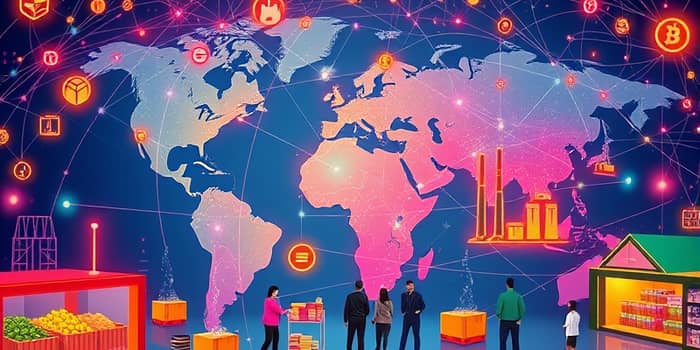
In today’s fast-paced global economy, supply chains span continents and involve countless partners. Consumers demand ethical sourcing, regulators insist on accurate reporting, and businesses strive for efficiency. At the heart of this transformation lies the promise of digital assets and blockchain technology, unlocking unprecedented levels of transparency and trust.
Supply chain transparency enables stakeholders to access accurate, real-time information on goods’ movement, status, origin, activities, entities, and risks across the network.
It differs from visibility, which focuses on internal asset tracking, and traceability, which reconstructs historical paths. Transparency calls critical questions: who accesses info, what data is shared, and under what conditions?
Digital assets such as digital product passports, smart contracts, and tokenized records provide tamper-resistant immutable records of transactions that underpin a new ecosystem of trust.
Despite advanced planning and robust ERP systems, 93% of supply chain leaders cite lack of visibility as their top challenge. Complex global networks create silos and fragmented data that hamper decision-making and erode trust.
Traditional methods relying on emails, spreadsheets, and manual audits cannot keep pace with real-time demands.
By creating decentralized, shared ledgers for real-time collaboration, blockchain eliminates single points of failure and unverifiable claims.
Key features include:
Such systems deliver real-time operational visibility and communication across every breakbulk, checkpoint, and border crossing.
Moving from pilot to production requires a clear roadmap, governance model, and stakeholder buy-in. Follow these steps to ensure a smooth transition:
Embracing blockchain-based transparency delivers tangible returns across operations, compliance, and brand reputation:
Research indicates a 15% increase in trade volumes and potential boosts to national GDP when real-time transparency becomes ubiquitous.
Industry leaders are already reaping the rewards of this new paradigm. IBM Food Trust, for instance, enables Walmart to trace leafy greens from farm to shelf in under two seconds, revolutionizing recall efficiency and safety.
Retail giants like Target mandate supplier data sharing platforms to ensure accountability and compliance. In the coffee and fashion sectors, decentralized ledgers document living wages and ethical practices, shifting consumer perception and brand loyalty.
Even maritime operations leverage blockchain to monitor port activities, container handling, and vessel movements, cutting delays and reducing environmental footprint.
By 2026, the fusion of blockchain, AI, and IoT and AI-driven supply chain analytics will usher in quantum-resistant standards and autonomous risk detection. Governments and industry bodies will establish global frameworks, making real-time transparency the norm rather than the exception.
However, challenges remain. Data overload, integration complexity, and governance disputes require thoughtful design and continuous improvement. Companies that invest in robust architectures and partner ecosystems will emerge as leaders in the next chapter of global commerce.
Ultimately, the marriage of digital assets and supply chain transparency offers a future where trust is built into every transaction, operations become more resilient, and consumers engage with brands that stand for authenticity and responsibility.
References