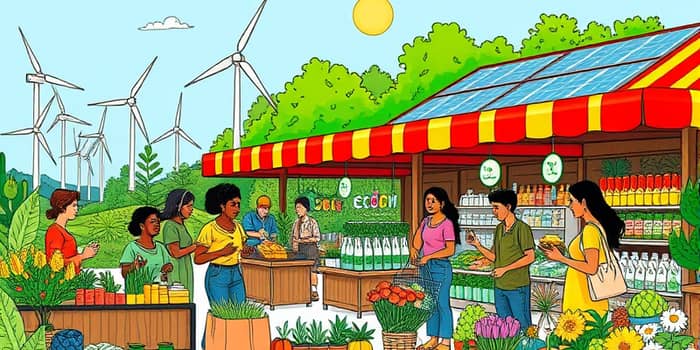
In recent years, consumers have begun to realize the power of their wallets. Every dollar spent carries a message to businesses about the kind of world they want to see. As environmental challenges intensify and social inequalities persist, individuals are increasingly seeking ways to ensure that their purchases reflect their deepest convictions. This movement is more than a passing trend; it is a profound shift towards responsibility in everyday life.
By choosing where and how to spend, shoppers can support companies that uphold fair labor practices, safeguard animal welfare, and minimize ecological footprints. This approach goes beyond product features or price tags—it embodies a mission to foster positive change and create a more equitable future for all. For many, this is a journey of self-discovery and empowerment, as they learn to align their consumer choices with their moral compass.
Conscious consumerism refers to the practice of making purchasing decisions based on personal values such as environmental sustainability, ethical production, and social responsibility. At its core, this philosophy demands awareness of the broader consequences of each transaction, from resource extraction to end-of-life disposal.
In essence, shoppers embrace ethical, mindful, and environmentally aware decision-making, actively seeking products and brands that aim for positive social, economic, and environmental impact. Instead of prioritizing profit at any cost, conscious consumers champion transparency and accountability in supply chains, pressing businesses to uphold higher standards.
Market research consistently highlights an inspiring reality: people are willing to pay more for sustainable products. Surveys across regions and age groups reveal a robust trend of customers paying premium prices for goods that meet ethical and environmental criteria.
These figures illustrate a market primed for growth, with conscious buyers prioritizing quality and ethics alongside price. Businesses that respond to this demand not only capture increased revenue but also cultivate brand loyalty and social goodwill.
The surge in sustainable products is reshaping retail landscapes worldwide. Products with environmental, social, and governance (ESG) claims now account for over half of total market growth, outpacing conventional offerings by a wide margin.
Consumer trust is also on the rise, with 94% of buyers more loyal to brands that offer full transparency. However, challenges remain: only 50% trust sustainability messaging, and many remain wary of greenwashing. By committing to honest communication and measurable impact, brands can bridge this gap and strengthen relationships.
Despite this momentum, many shoppers encounter hurdles that hinder sustainable choices. Price sensitivity, limited availability, and confusing labeling often stand in the way of ethical purchases.
Addressing these barriers requires coordinated effort. Retailers can improve accessibility through better inventory management, while policymakers can advocate for clearer standards. Educating consumers on certifications and eco-labels also empowers informed decision-making.
Every shopper can begin to incorporate values into their choices with simple, actionable steps. By becoming more intentional, individuals turn routine purchases into expressions of belief and solidarity.
These practices highlight that values-based purchasing is not just about product quality, but about nurturing a culture of responsibility and mutual respect. As more consumers adopt these habits, they send a clear signal to industry leaders: sustainability and ethics are non-negotiable.
As we enter 2026, economic pressures and shifting priorities will continue to influence buying habits. Consumers demonstrate that fragmented spending is now the norm, visiting multiple retailers for groceries, fuel, and daily necessities. Yet amidst this diversity of channels, the demand for sustainable options remains steadfast.
The future of conscious consumerism hinges on collaboration between individuals, businesses, and governments. By championing policies that support renewable energy, transparent supply chains, and circular economies, society can move toward a future where ethical choices are both accessible and affordable.
Ultimately, conscious consumerism is more than a market segment—it is a movement. It invites us to reflect on the ripple effects of our spending, to champion human dignity alongside planetary health, and to weave our values into the fabric of daily life. Every purchase, no matter how small, becomes an opportunity to shape a fairer, greener world for generations to come.
References